
Slow travel in Lamu is not something you decide to do. It’s something that happens.
Life on Lamu Island moves to rhythms that can’t be rushed. The tide dictates when boats arrive and leave and when they can reach certain places. The call to prayer five times a day gently structures the day. The only traffic you’ll find in its narrow streets is donkeys. Wind, light, and heat decide what’s possible, even if you have different plans.
For many guests, this is when they begin to realise they’re no longer in control of the clock. And that’s exactly the point.
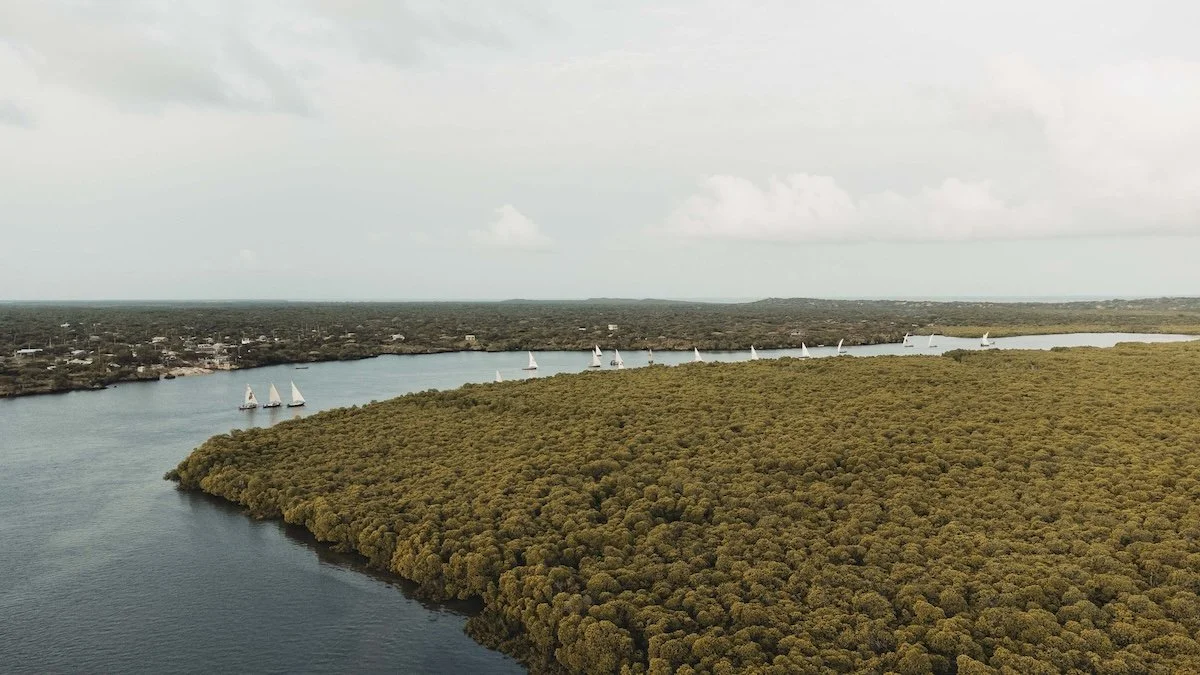
Photo Credit @bafeink
Days Shaped by Water
In Lamu, the ocean is a timetable. The tides determine everything from fishing and sailing to when supplies arrive, when and where you can swim, and when it’s best to walk the beach. High tide is when goods come and go while low tide reveals sandbanks, rock pools, and long quiet walks along the shore.
This constant ebb and flow allows you to pay attention to your surroundings. To wait and notice. In Lamu coastal life, plans are often loose, always followed up by an inshallah (if Allah wills it) with a nod towards seeingwhat the tide is doing. This can make it seem that no one wants to commit to anything. But actually, it’s a nod towards the unexpected. That whatever happens isn’t really in our hands.
While everyone who grew up and lives here is aware of the tides, it doesn’t mean they always get the calculations quite right. I remember trying to pass a channel in a dhow under the full moon years ago, everything was smooth sailing, until we felt the gentle thud of being grounded on the sand beneath us. Instead of this being a moment of panic amongst the crew, it was taken as an opportunity to roll the sail, pour the tea and lie back to enjoy the night sky as we waited for the tides to float us again.
Prayer as a Gentle Framework
Five times a day, the call to prayer echoes across the island, carried by wind, bouncing between coral stone walls, fading into the dunes. But don’t take it as an interruption. Instead it’s a reminder of time passing.
For those of us not rushing off to pray, the adhan (call to prayer) allows us to take a moment and quietly reflect on our day. For the local kids, the Maghrib (sunset) call tells them it’s time to go home. During the call, out of respect it’s best to pause, a literal time for you to stop and reset. However, we don’t always get it right, phones will still ring, speakers still sound and conversations are expected to continue. But after a few days, people tend to get in the rhythm.
Even for visitors unfamiliar with Islamic traditions, prayer times quietly anchor the day. This rhythm has shaped Swahili island culture for centuries, creating a shared understanding that not every moment is for productivity.
In a world run by notifications and deadlines, this way of life is radical.
Donkeys, Not Deadlines
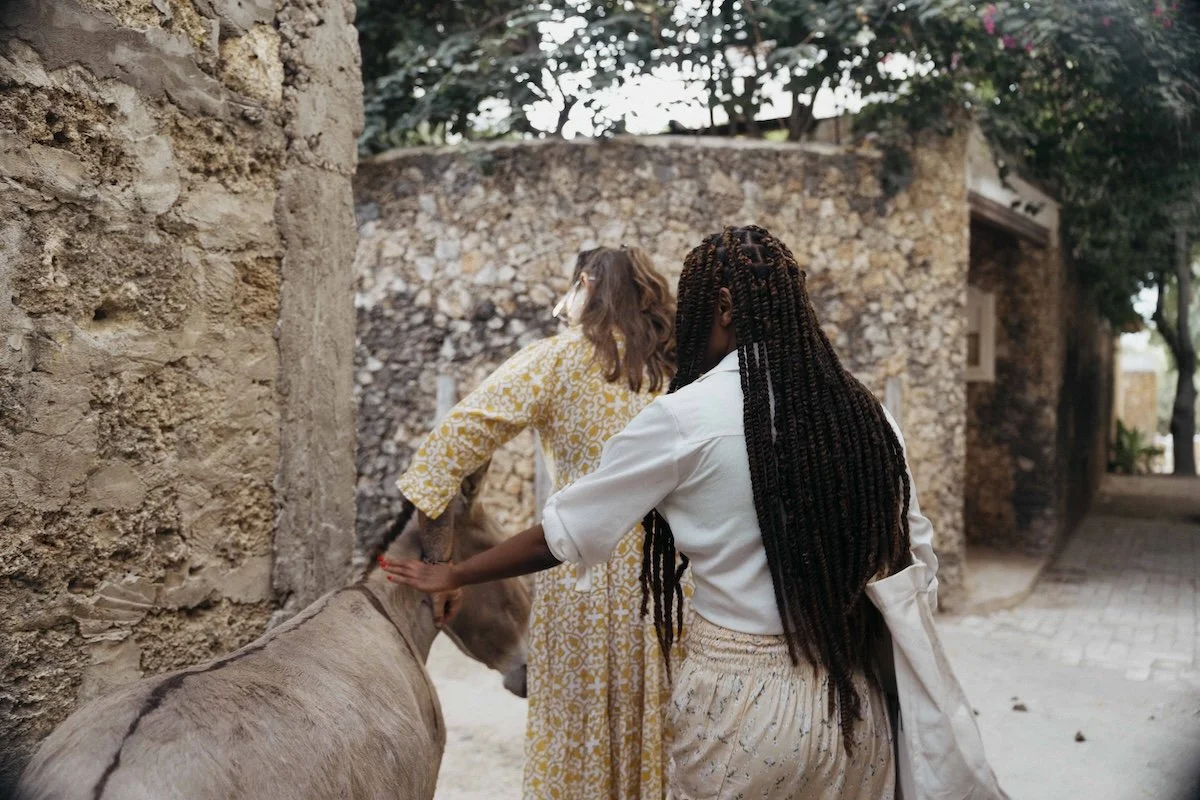
Photo Credit @bafeink
There are few cars on Lamu Island. All kinds of goods are moved only by handcarts and donkeys navigating the narrow alleyways. This is the kind of traffic you can expect around here; a train of donkeys carrying building materials, or a wooden handcart loaded with a ton of flour being pushed and pulled by young men.
Progress here is measured in patience rather than speed - learning that patience can be most annoying, especially when you’re squeezed on a stoop waiting for the carts and donkeys to pass.
Living - or even staying - within the island changes expectations. You stop trying to squeeze five things into one outing. You accept delays. You become the late one. And slowly, you begin to realise that nothing important is being lost.
This is slow living in Kenya at its most tangible.
Wind, Light, and the Shape of the Day
The monsoon winds decide when the ocean is calm, when sailing is possible, when the heat lifts or presses down. Light shifts dramatically through the day, early mornings soft and silver, afternoons bright and uncompromising, evenings washed in gold.
Activities follow these natural cues. Rest happens when the sun is high. Movement returns as the day cools. Evenings - often started aboard a dhow - stretch and are shaped by breeze rather than screens.
At Mbibo House, if you’re up early enough you can catch the sun rising over the dunes spreading its soft light across our rooftop - a cool, quiet time of day to roll out the yoga mat, or throw on your costume as you take the sandy walk over the dunes to the beach.
Throughout the day the light throws shadows from our lush garden, while the gentle breeze cools you off as you laze by the pool. Finally, our rooftop is where you can watch the sky fill with the gentle pinks and oranges as the sun sets.
What Guests Notice First
Most guests arrive carrying speed with them — tight itineraries, full inboxes, a subtle urgency to do. Lamu meets this energy with quiet resistance.
Boats leave when they leave. Wi-Fi is present but not dominant. Days open up rather than fill themselves. Within a few days, shoulders drop. Phones are forgotten. Meals take longer.
The moment I step foot on the boat from the airport or road, I can feel my whole body exhale. The stresses of traffic, schedules and to-do lists are left on the mainland. For me, the essence of Lamu is to slow down and let things land as they fall.
This is mindful travel in Kenya not as a concept, but as a lived experience.
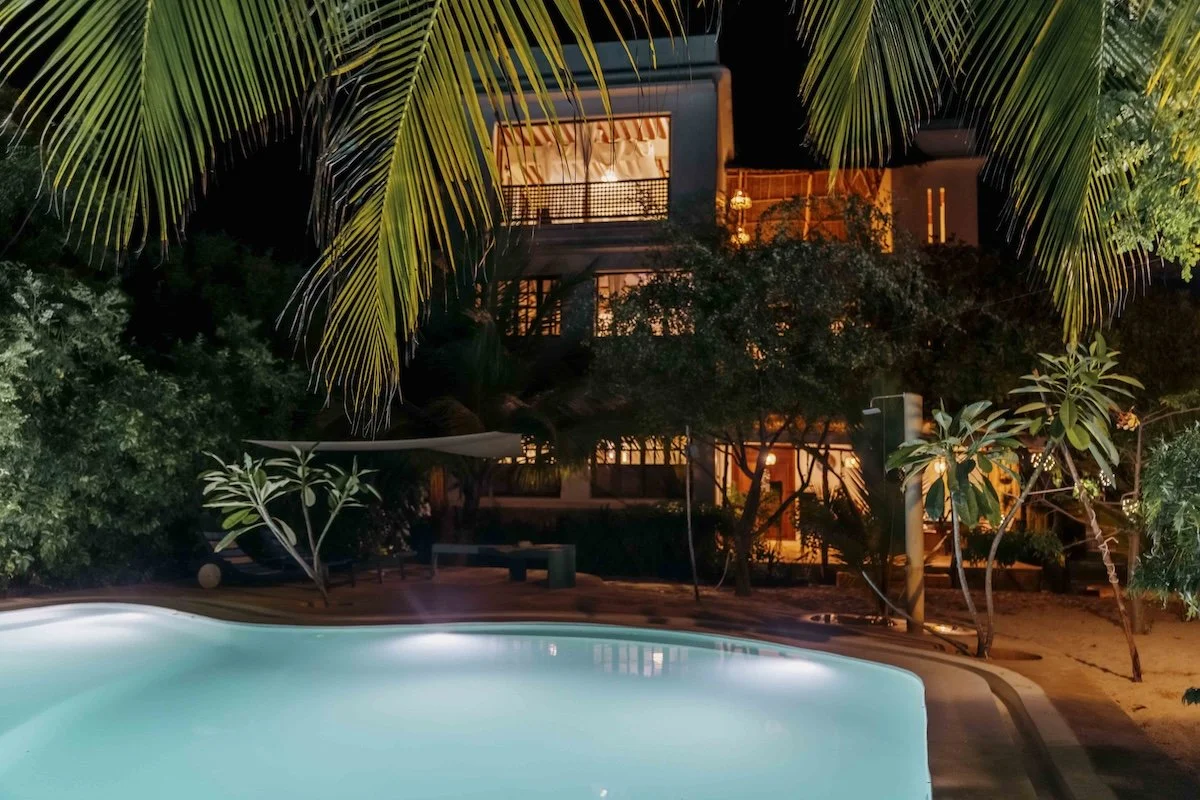
Photo Credit @bafeink
Returning Home, Slightly Changed
Living by the tides doesn’t mean abandoning responsibility or ambition. It means remembering that life has rhythms older and wiser than our calendars.
Guests often say they take something intangible home with them — a slower breath, a renewed relationship with time, a sense that not everything needs to be forced.
Lamu Island lifestyle teaches this gently, without instruction. You just have to stay long enough to listen.
For me, Lamu has taught me that nothing good can come from rushing - even though I catch myself still trying. Truly, the best things are worth waiting for. That’s part of the reason I’ve stuck around here for so long. Coming from the UK where everything is rushed and schedules are planned months in advance, Lamu offers space to breathe and to see where the wind takes you - sometimes literally.
Life isn’t about being productive here, it’s about making do with what you can get without too much stress and rolling with the waves. That’s the ethos that Mbibo House carries with it - an understated kind of luxury. Nothing is flashy here, but you have the space, the breeze and the quiet to make a memorable stay.
