
Experience Lamu
Slow days, salty air, and Swahili rhythms
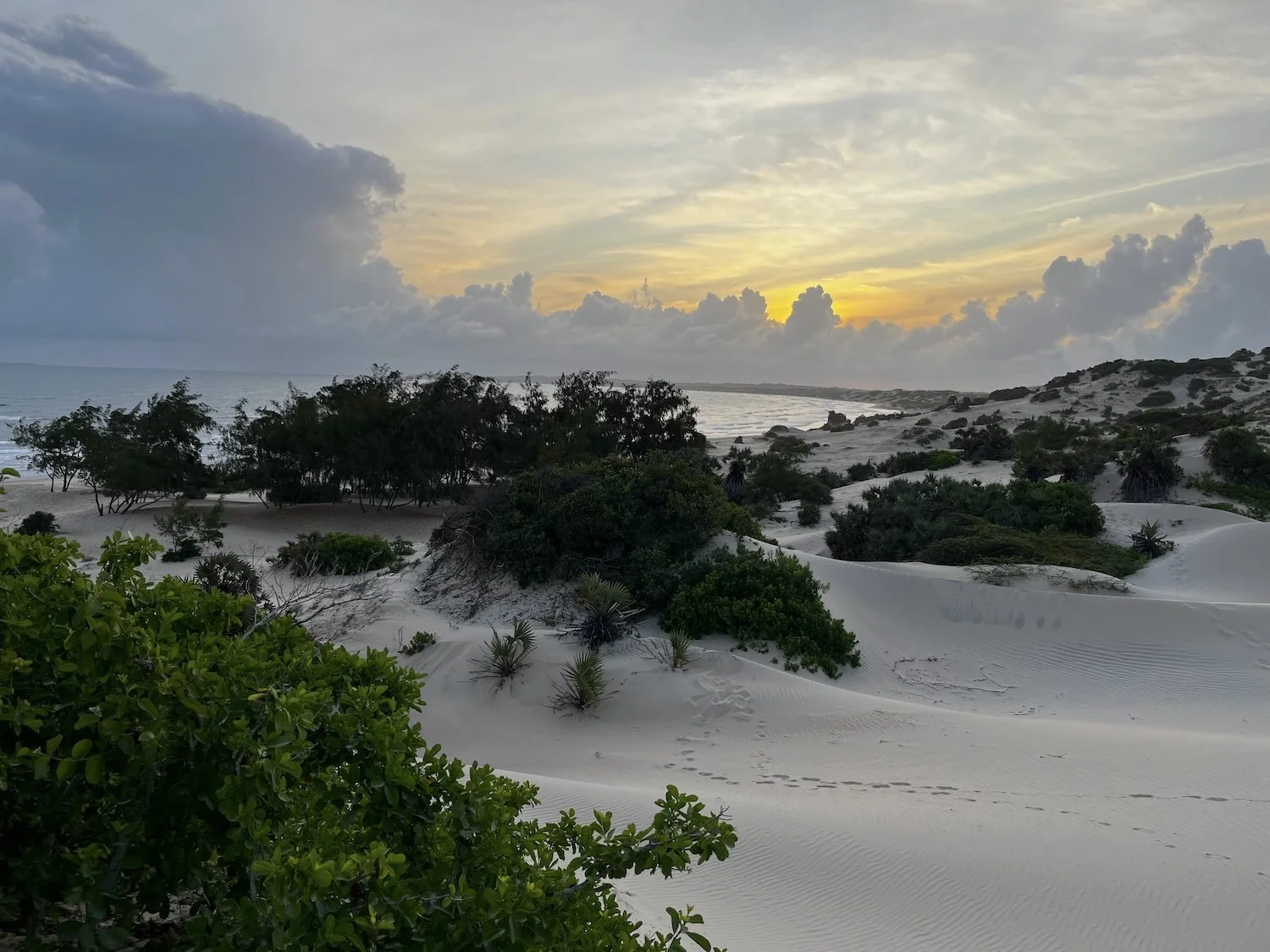
Lamu isn’t a place to rush. Life here moves to the pace of the tides, the call to prayer, and the creak of dhow sails. Staying at Mbibo House offers a gentle introduction to this slower rhythm — close enough to Shela village to feel connected, yet tucked into the dunes where quiet still holds.
Whether you come to rest, explore, or reconnect, Lamu has a way of meeting you where you are.
Lamu can be explored on land or by sea; there’s so much Lamu’s ecosystems and cultural heritage has to offer. Visiting with care by supporting local businesses, respecting customs, and moving gently through the landscape helps ensure the island remains resilient for generations to come.
Mbibo House is built with this ethos in mind, incorporating local materials and sustainable choices wherever possible.

By Sea
Dhow Sailing & Sunset Cruises
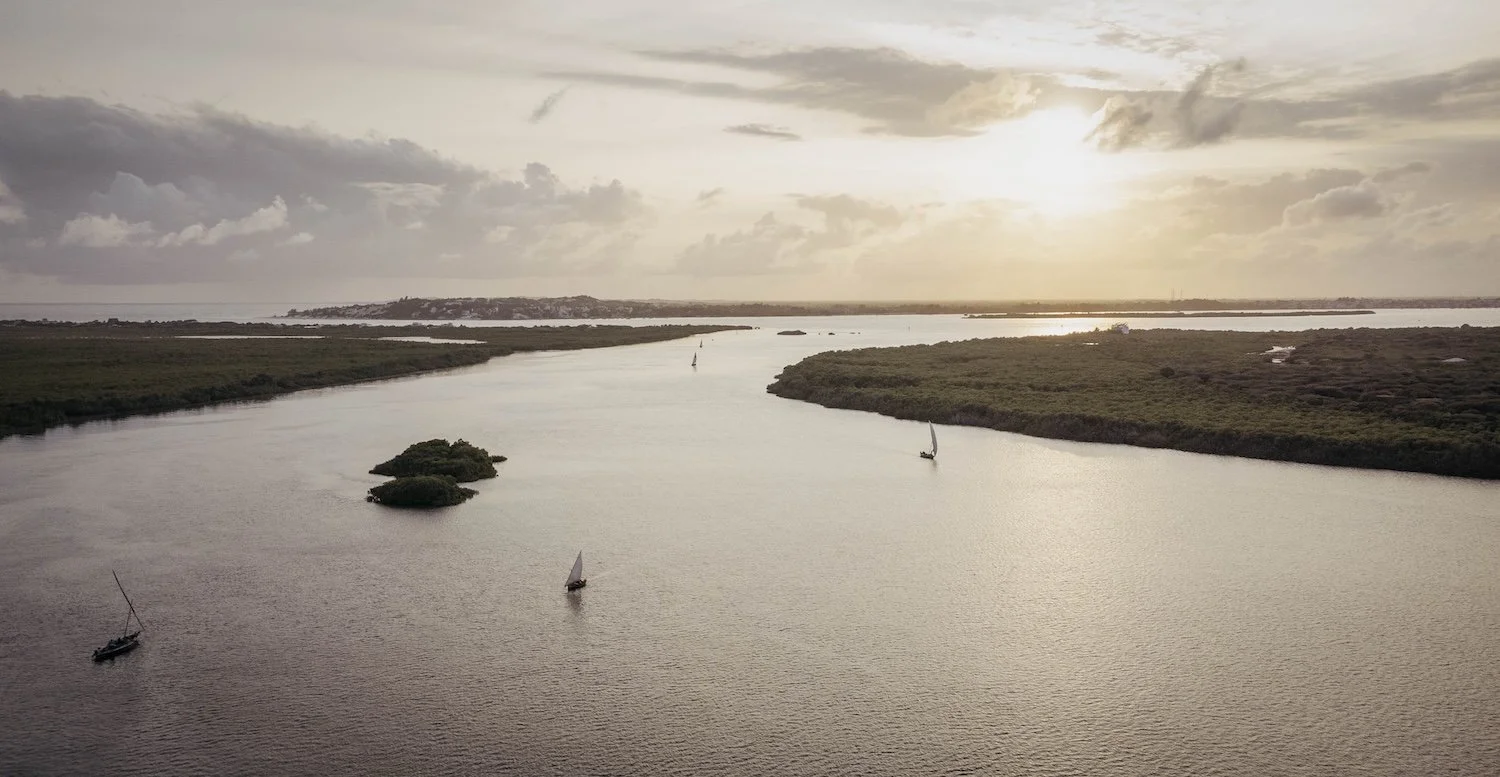
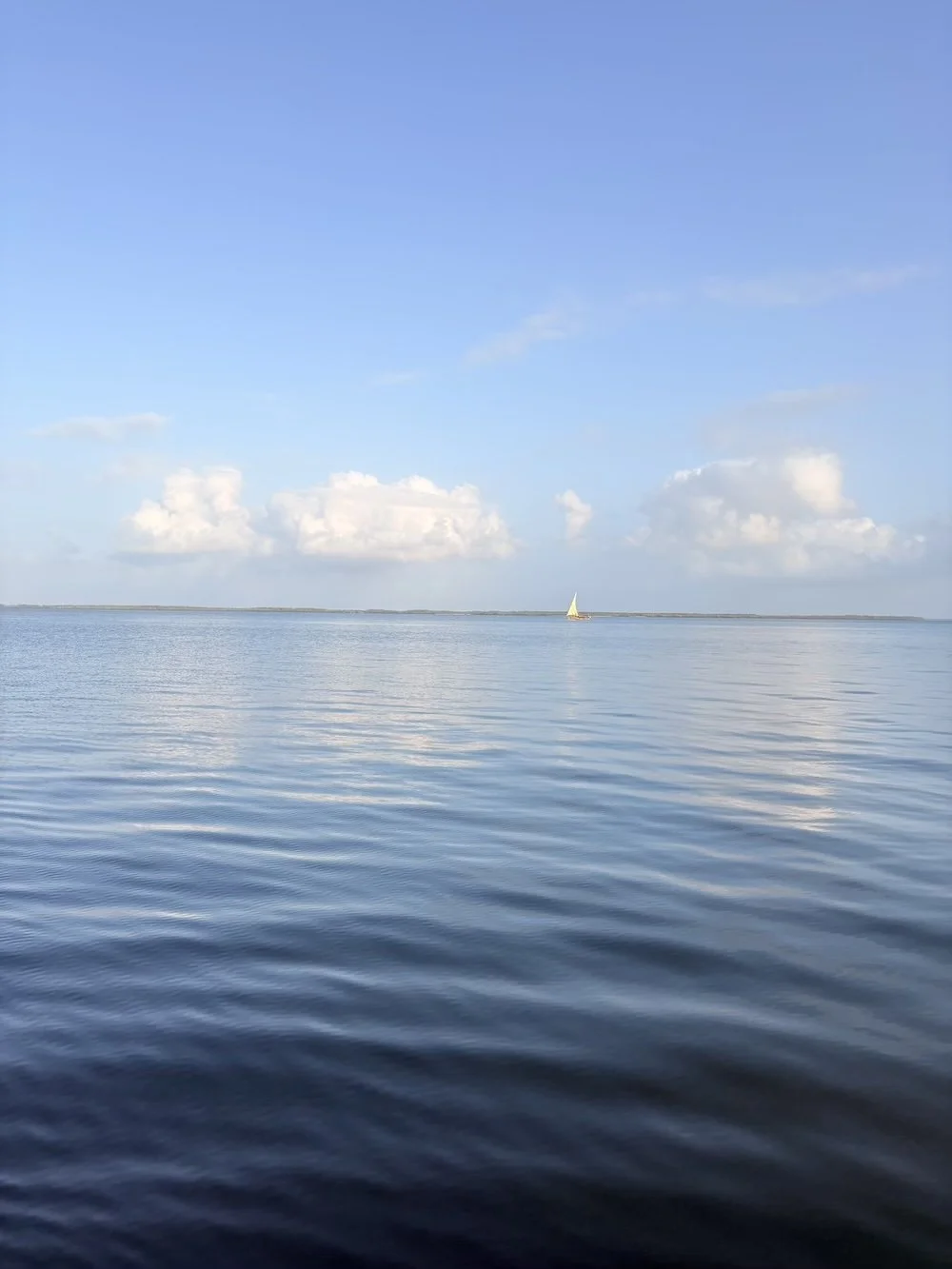
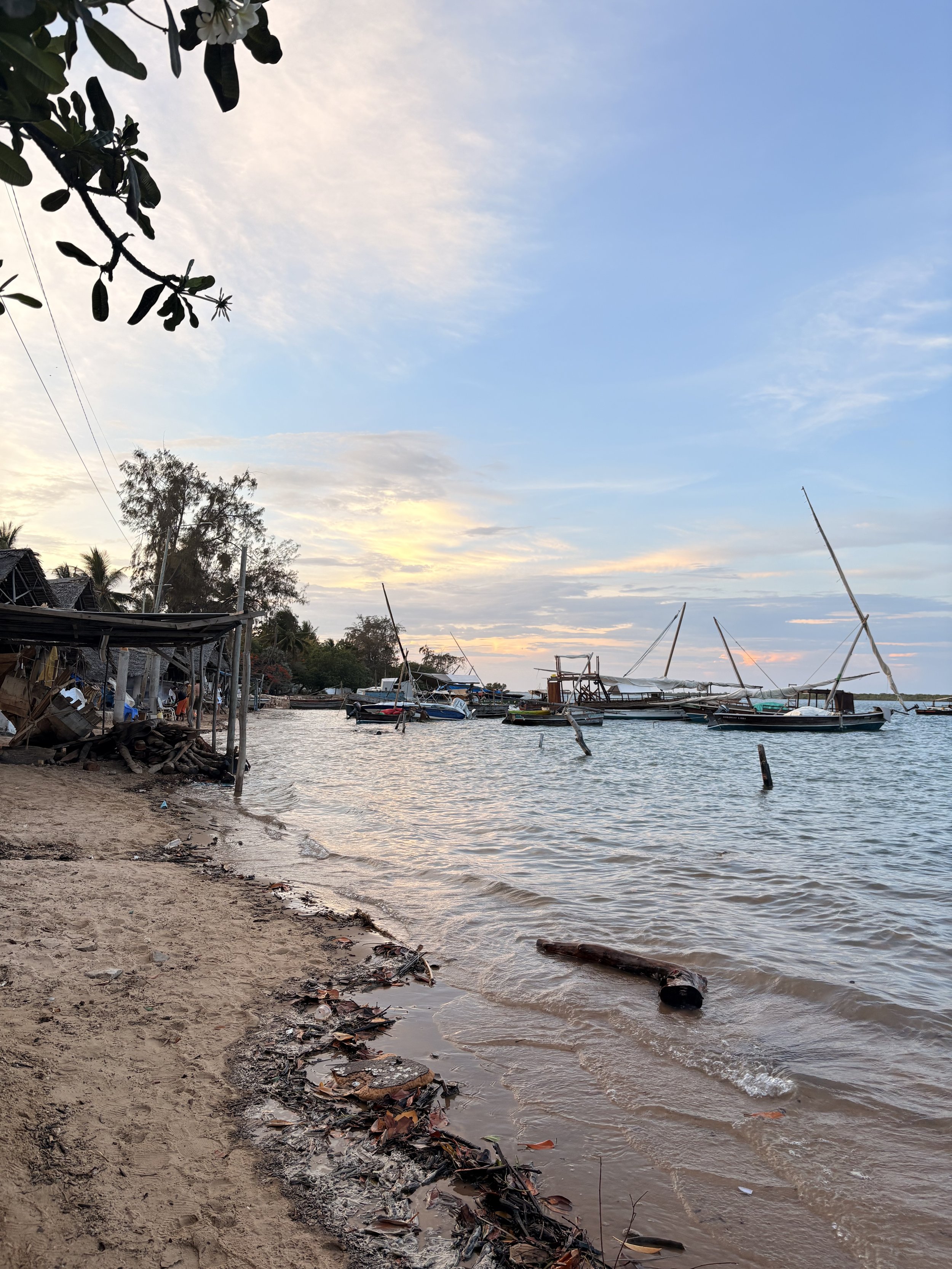
The best way to experience Lamu is from the sea. Traditional wooden dhows sail across the channel, powered by wind and centuries-old knowledge.
Sunset sails are especially magical: as you watch the sun sink over the Indian Ocean you can truly appreciate the passing of another wonderful Lamu day. Full day excursions are also an excellent way to enjoy the ‘pole pole’ culture as you snorkel, sandbank picnics, or visits to neighbouring islands.
We’re happy to recommend trusted local captains and help arrange trips.
Swimming, Snorkelling & the Tides
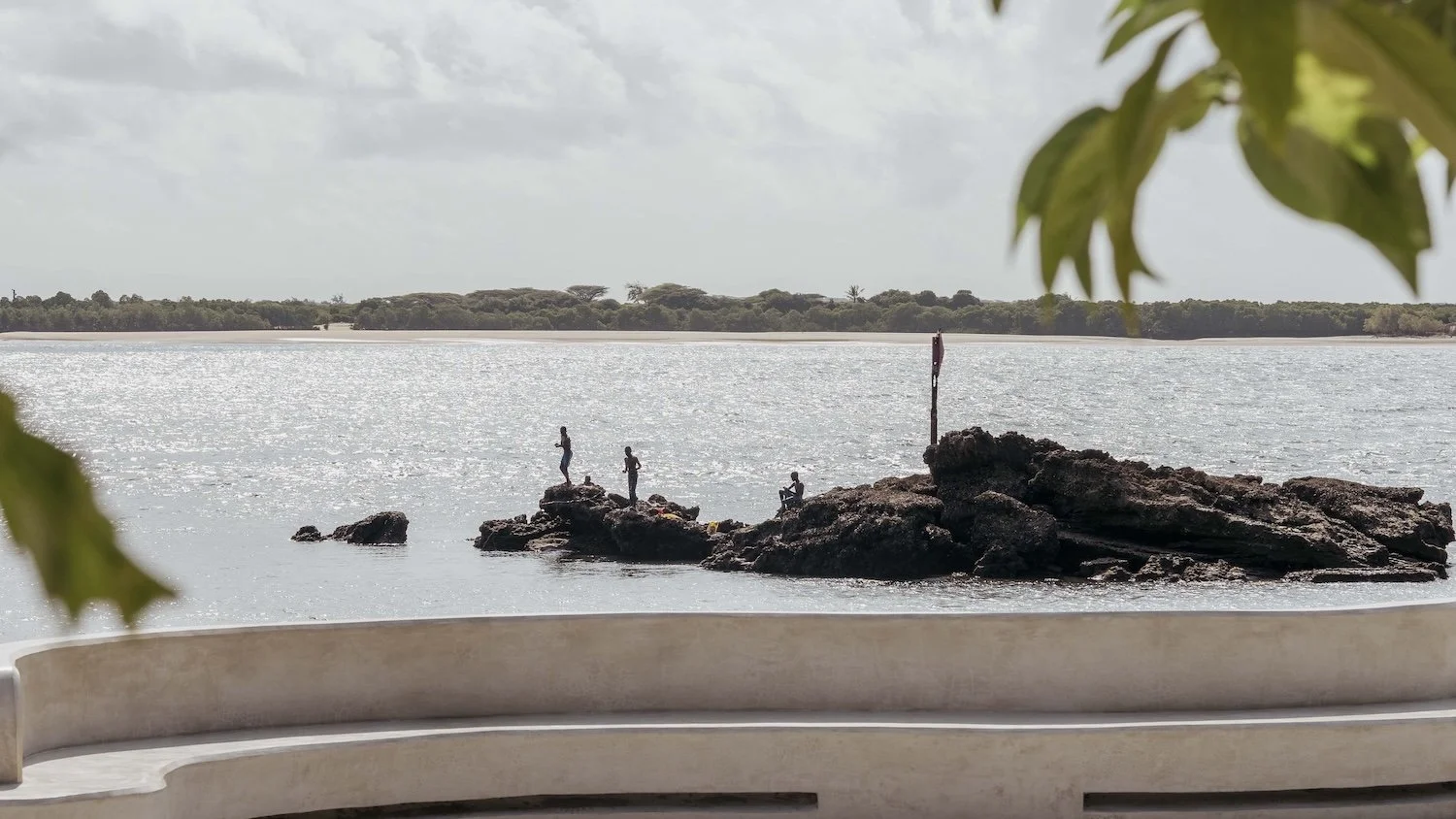
The waters around Lamu are warm and inviting, with calm mornings ideal for swimming and snorkelling. Tides shape the day here — sometimes revealing sandbanks, sometimes drawing the sea right up to the shore.
On Land
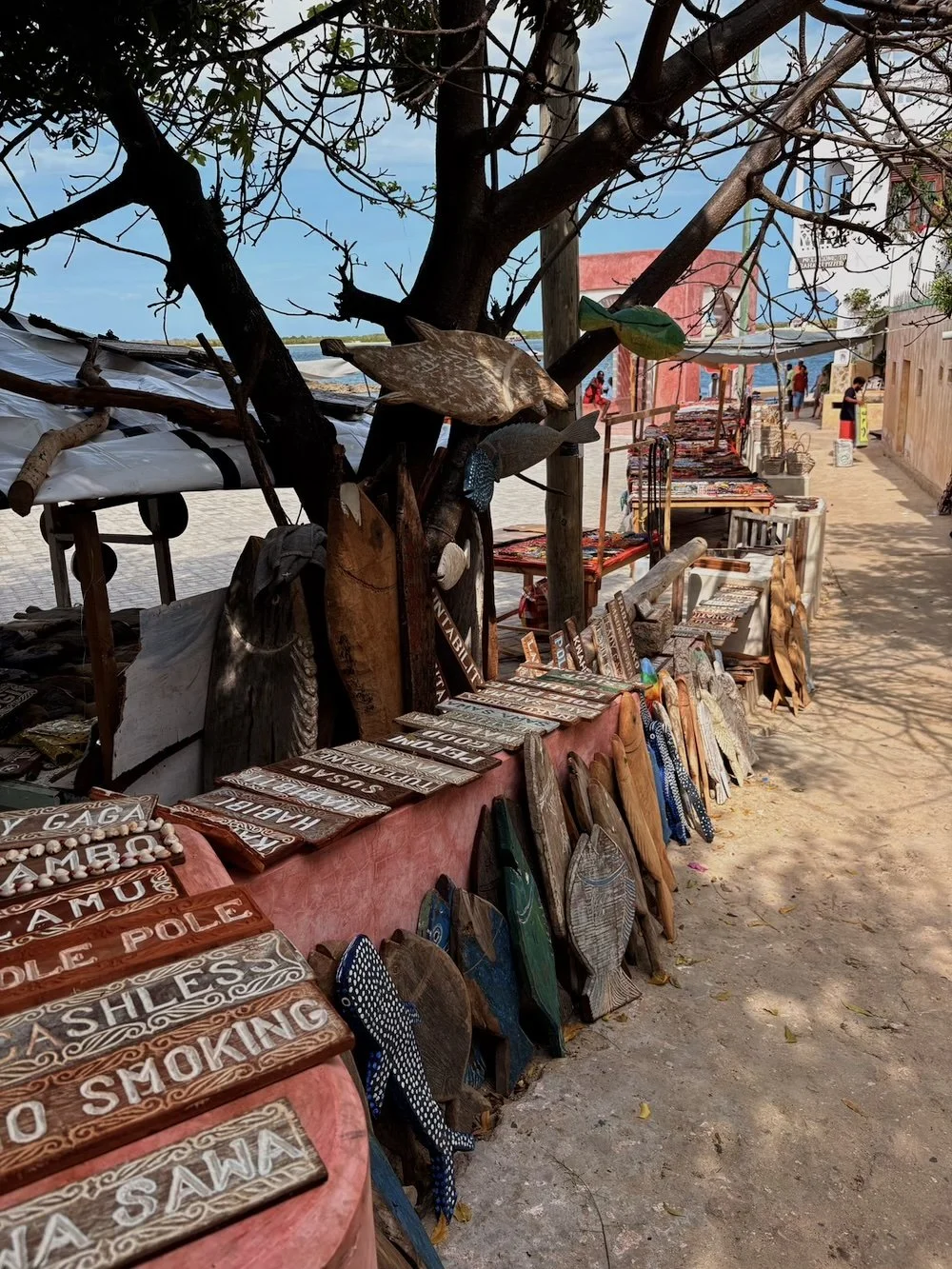
Shela Village & Beach Walks
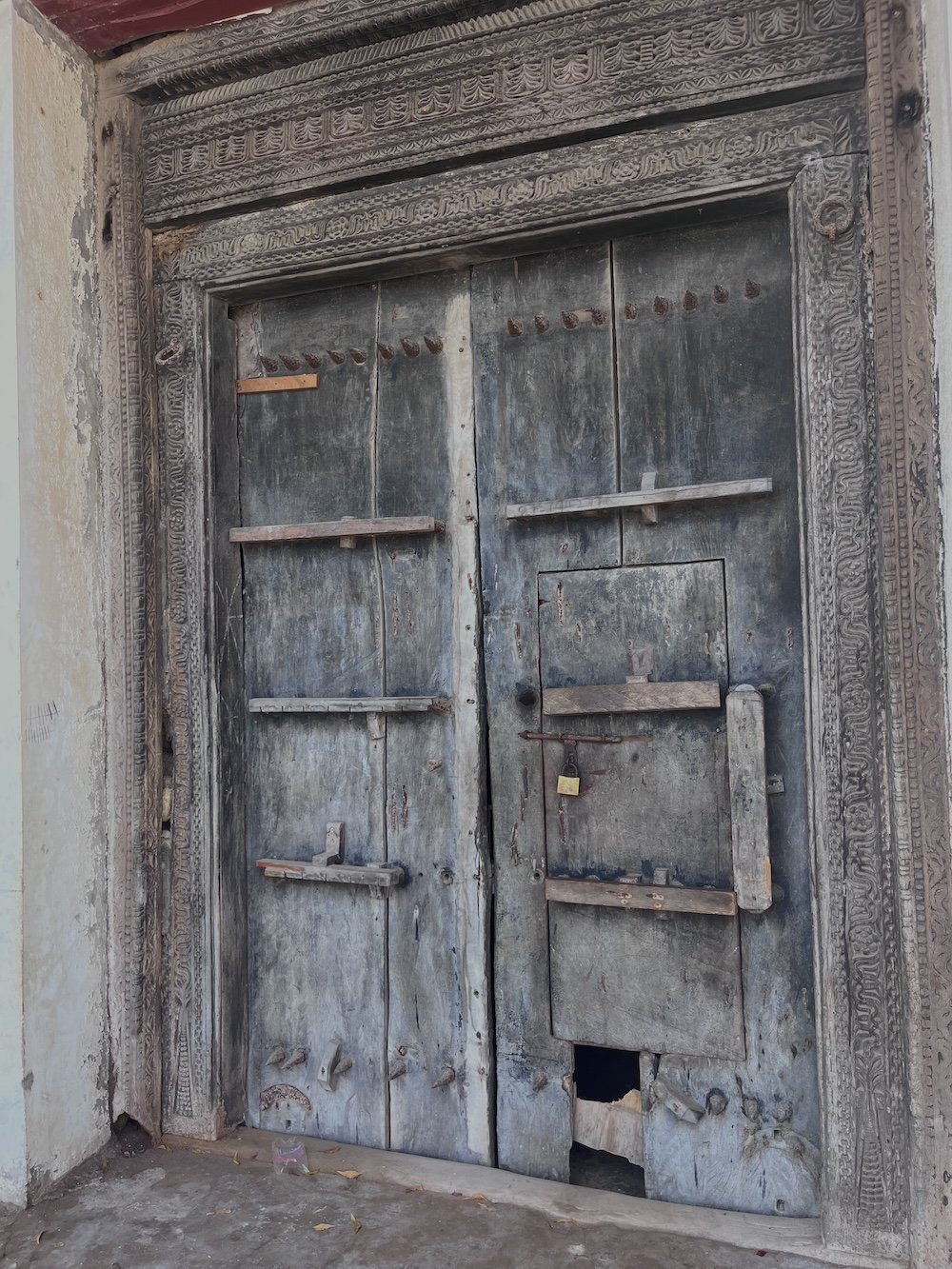
Shela is a place for wandering. Whitewashed walls, carved wooden doors, and narrow sandy paths invite exploration without a plan.
Early mornings and late afternoons are perfect for long beach walks, when the heat lessens and you might even catch Carol’s camels padding quietly along the shoreline.
Donkeys & Daily Life
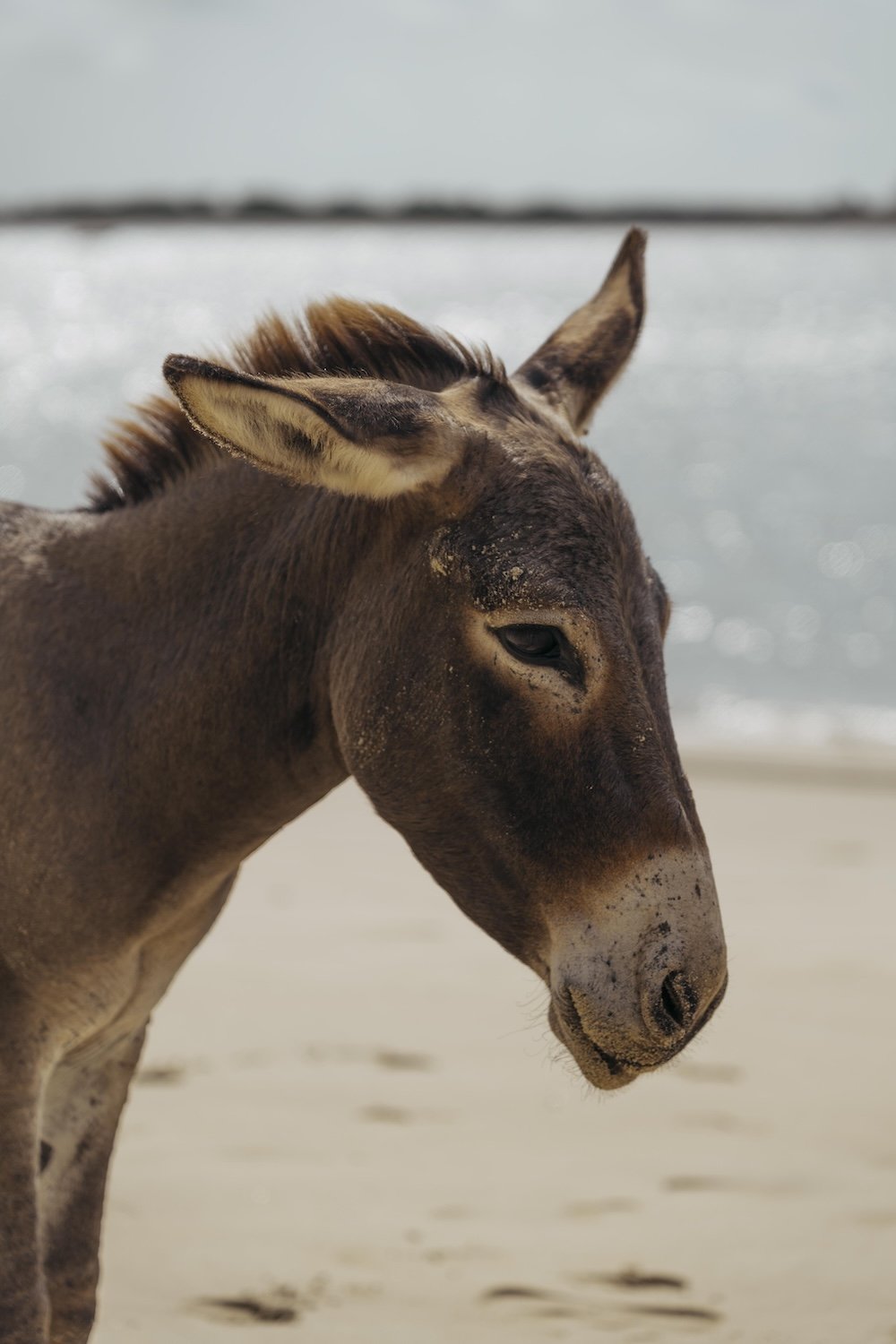
With no cars on the island, donkeys remain an essential part of daily life. Don’t be alarmed as you see them around every corner and blocking narrow alleyways. They’re very timid and if they’re in your way, there’s always someone around to help guide them out of the way.
Culture & Heritage
Lamu Old Town (UNESCO World Heritage Site)
A short boat ride away, Lamu Old Town is one of the oldest continuously inhabited Swahili settlements in East Africa. Its coral stone buildings, inner courtyards, and intricately carved doors tell stories of trade, faith, and craftsmanship.
Our trusted local guide can bring the town’s layered history to life, from Swahili architecture to poetry, Islam, and Indian Ocean trade routes.
Art, Craft & Swahili Design
Lamu is home to skilled woodcarvers, artisans, and artists. From furniture and doors to jewellery and textiles, craft here is deeply tied to place and tradition. You can take lessons in carving, visit the local boatyard, or support The Flipflopi Project as they reimagine Lamu’s heritage with waste plastics
Nature
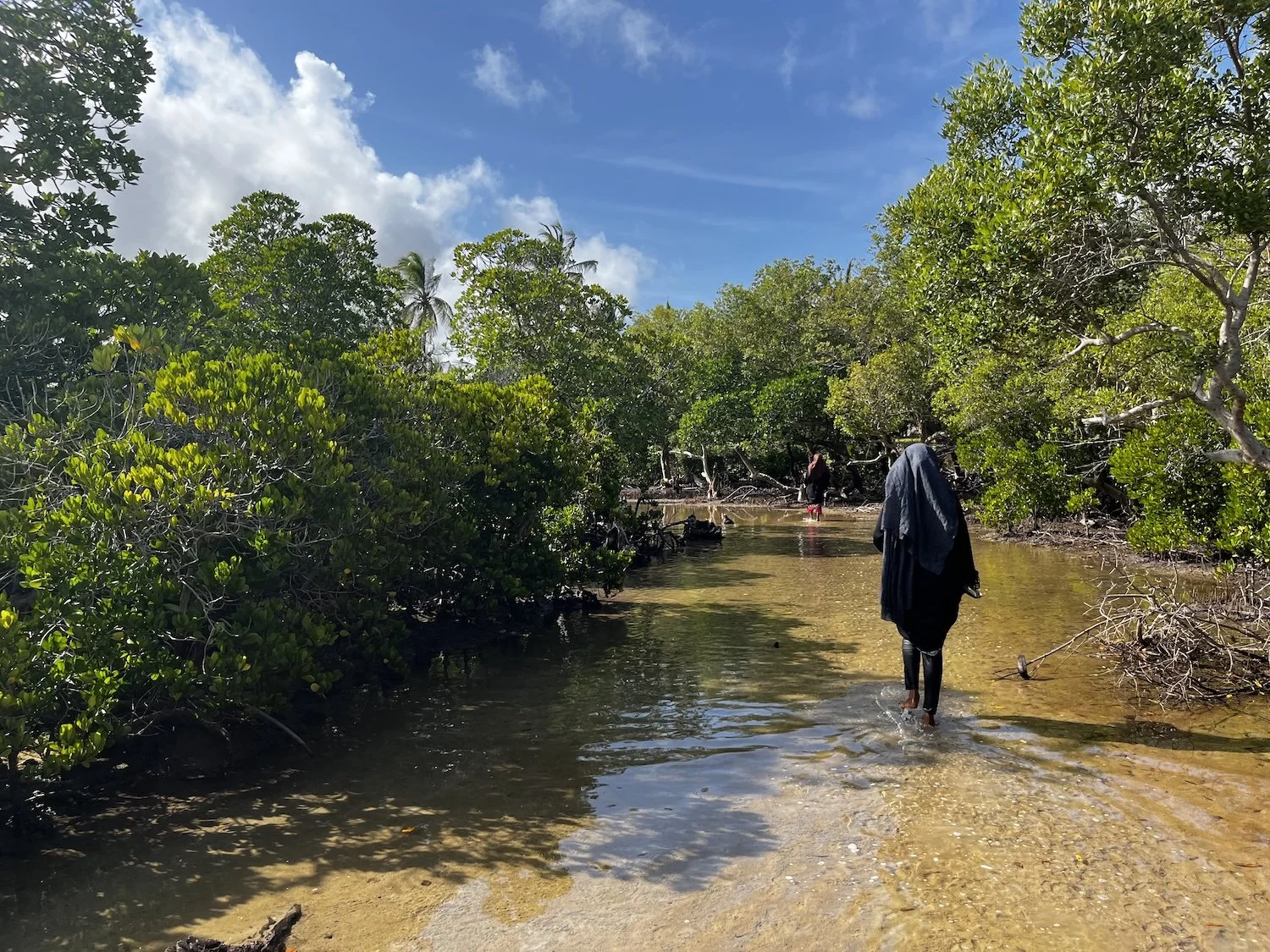
Mangroves, Creeks & Quiet Ecosystems
Mangrove forests line the creeks around Lamu, playing a vital role in coastal protection and marine life. Kayaking or boating through these waterways offers a peaceful, intimate experience of the island’s ecology. Hannah can help you to arrange this trip with trusted local captains.
Lamu is also home to incredible birdlife, Lamu’s birdwatcher Juma can take you on bespoke trips depending on your interests, the tides and season.
Conscious Travel
Lamu’s ecosystems and cultural heritage are delicate. Visiting with care — supporting local businesses, respecting customs, and moving gently through the landscape — helps ensure the island remains resilient for generations to come.
Mbibo House is built with this ethos in mind, incorporating local materials and sustainable choices wherever possible.
Coming Home to Mbibo House
After a day of salt, sun, and wandering, Mbibo House offers a place to retreat. Cool rooms, filtered light, the sound of wind through palms, and the simple pleasure of doing very little.
Sometimes, the best Lamu experience is staying still.